Six weeks of work, from late August to this week, took Seepient from a tool I tolerated to something I would put in front of a paying client. If you have only seen the individual releases, it reads like a pile of features. Stepped back, it is one story: what this assistant can actually do for a business today, how it compares with the big agent platforms, and where it still falls short on purpose.
Six weeks, one arc
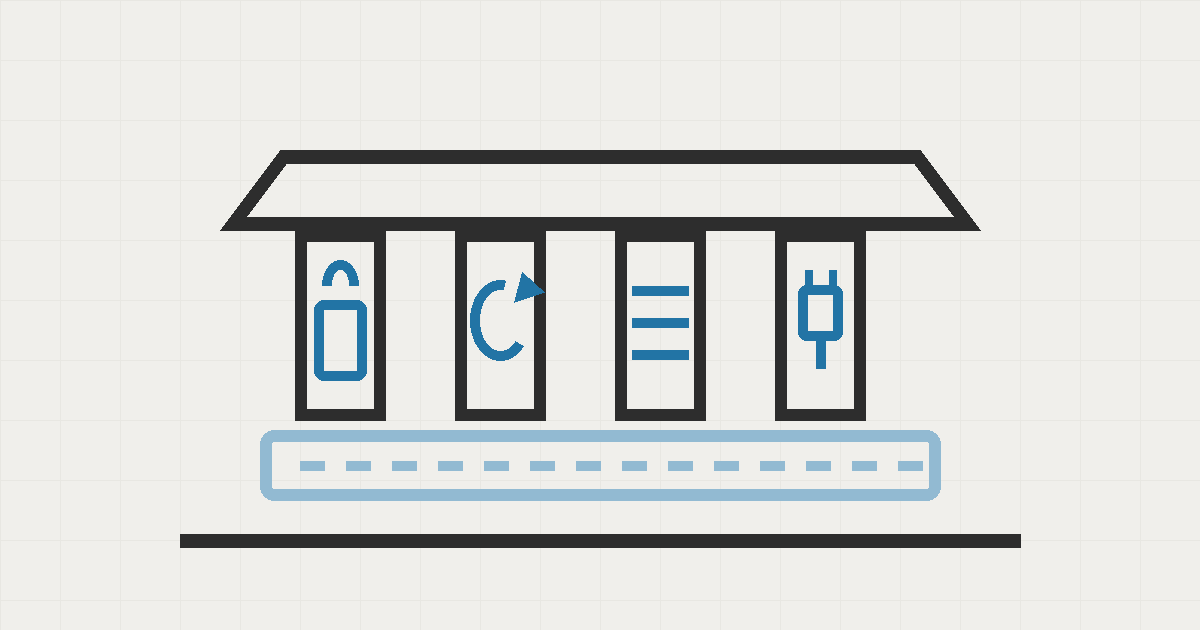
In August, Seepient was capable but fussy. To start it you needed to create API keys with each AI provider, paste them into a setup screen that knew about four providers, and hope nothing got wiped when you changed your mind halfway through. The assistant behind the curtain was good. Everything in front of the curtain was on you.
The first fix was ownership. I rebuilt setup so you can sign in with the subscription plans you already pay for, and I replaced the fixed provider checklist with a searchable catalog of more than twelve hundred models showing live prices and context sizes. A few days later the catalog learned to refresh itself twice a day, so a model released on a Tuesday is usable the same day without me in the loop.
Then came obedience. An assistant that asks permission for every small step is exhausting, and one that asks for nothing is frightening. I landed on three levels you can pick per run: ask me about everything, handle the files but check before touching the outside world, or run fully on its own inside limits you set in advance. Around the same time I made its file saves trustworthy in a stricter sense: every save is checked against a digital fingerprint recorded at the moment you approved it, so the file it promised to write is the file that lands, and a tampered helper refuses to write at all.
September was about letting other software use it. The core became embeddable, meaning a developer can build Seepient into their own product, hand it their own storage, and it writes nothing to disk on its own. The server it ships with got a locked front door: request size caps, limits on how fast any one key can talk to it, and cross-site browser access switched off unless the operator explicitly allows it.
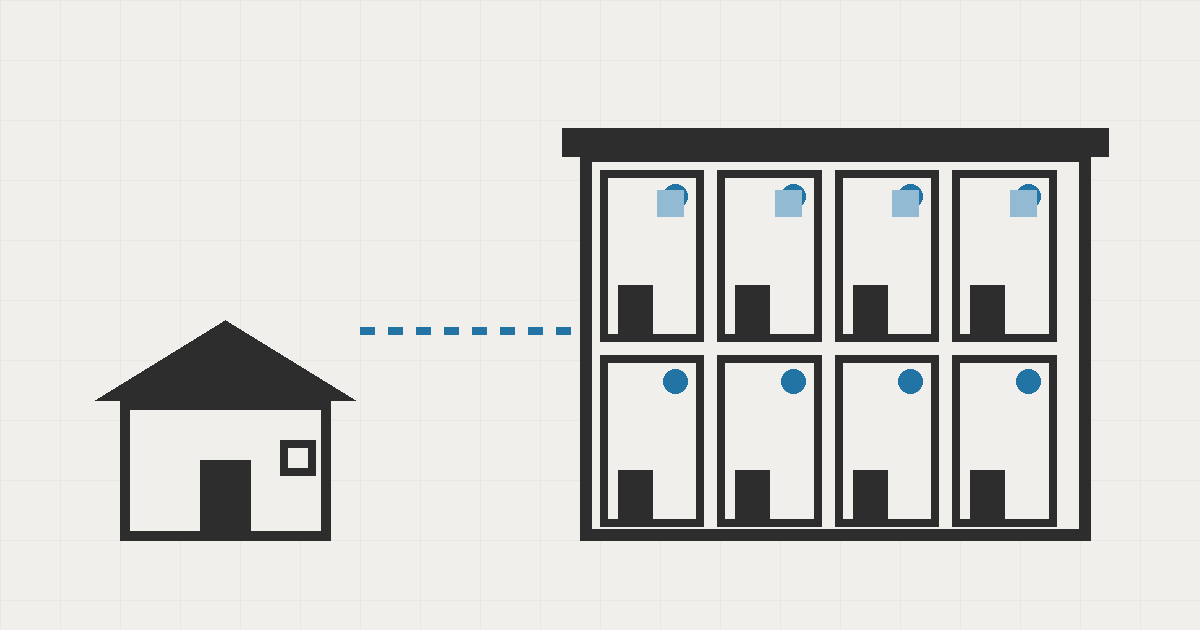
October closed the biggest gap of all. Until this week, Seepient served one owner beautifully. A company hosting it for several clients at once would have found the clients' files, approvals, and credentials sharing one room. Now every client gets its own rooms, its own keys, and its own approval book, and the program refuses to start if the walls are not armed.
| When | What I built | What it means for you |
|---|---|---|
| Late August | Sign-in with subscription plans; a live catalog of twelve hundred plus models with prices | Start with accounts you already pay for, no key procurement |
| End of August | Three consent levels, from ask-me-everything to autonomous-within-limits | Delegate real work without babysitting every step |
| Days later | Fingerprint-verified file saves | What it promises to save is what gets saved |
| Early September | Embeddable core with your storage; hardened server | Put it inside your own product without building the plumbing |
| October | Full separation between clients on one deployment | Host it for many clients from one place |
What that unlocks
Each of these doors opens onto more than one room.
- An assistant service for your clients. An agency, a bookkeeping practice, or an IT firm can host one deployment and give each client their own assistant with their own approvals and boundaries. One stack, many businesses.
- A helper inside your own product. Embed it, keep the data in your storage, and your customers get an assistant that answers from your system. The safety rails ship in the box.
- A back-office worker with a fence around it. Set it loose inside written limits to triage an inbox, do web research, or file documents. It cannot spend a key it was not given and cannot write outside its workspace.
- A private workforce on machines you control. Because it runs on your own infrastructure with providers you choose, nothing about your work has to flow through someone else's cloud.
The same core that runs my terminal today can run a client-facing product tomorrow without a rewrite. That is what the six weeks actually bought.
How Seepient stacks up right now
The big names in agents are moving fast, and it is worth being honest about where a solo-built open-source assistant stands among them.
OpenClaw, the open-source personal agent that took over social media this year, runs on your own machine and chats through WhatsApp or Telegram. It is brilliant at being one person's always-on companion, with a huge community building skills for it. Seepient overlaps on the personal-assistant part but is built harder around one thing: doing real work inside guardrails a business can defend, with per-client separation when you host it for others.
Hermes, the open-source runtime that powers this very blog pipeline, treats the agent as a person with memory and routines across channels. Seepient shares that DNA. The difference is shape: Hermes is an assistant you live with, while Seepient is built to be handed to someone else, embedded, or resold.
Grok Bot gives every subscriber named agents working on a shared cloud computer, and OpenAI's Dots put an always-on assistant inside ChatGPT for business plans. Both are polished, closed, and tied to one company's models and pricing. Google's Antigravity is a serious platform too, aimed at developers orchestrating coding agents. Seepient cannot match their reach, their polish, or their research budgets, and I would not claim otherwise.
What it offers instead is a different trade:
| The big platforms | Seepient | |
|---|---|---|
| Who holds the keys | The vendor's cloud, the vendor's rules | You, on your own machines |
| Which AI models | One company's, choose your plan | Any of twelve hundred plus, swap any day |
| Open source | No | Yes, every line inspectable |
| Hosting for your own clients | Not the product | The product, with walls between clients |
| Community and polish | Enormous | One stubborn builder |
That last row matters and it is Seepient's honest weakness. OpenClaw has thousands of contributors. I have reviews from paid attackers and a test suite of 2,206 checks, but no community, no app store of extensions, and none of the onboarding shine of a Google or OpenAI product.
Being open source is the strongest card I hold. Every wall this series described, the approvals, the separation between clients, the rules about what it may touch, can be read rather than believed. A business does not have to trust my blog post. It can audit the code or pay someone to. No closed platform can make that offer, and for anything that touches money, client data, or regulated work, I think that offer wins deals that polish cannot.
As for the gaps, the small ecosystem, the missing integrations, the rough edges, they are all known, they are all on the public roadmap, and they are what I am building. The walls came first because they are the part you cannot retrofit.
Where that leaves things
Six weeks ago Seepient was a good assistant with a clumsy front door and no walls. Today a business can sign in with the subscriptions it already has, delegate work at the level of trust it chooses, embed the assistant in its own product, and host the whole thing for many clients at once with each client in a locked room of their own. Against the platforms with billion-dollar backs, it bets on a simple claim: for work that matters, you should be able to open the box. If that is the shape of something you have been putting off, book a call and I will walk you through what the walls do and do not cover.