Curated from the labs, the ecosystem, and the open-source world — with my take on what actually matters for real-world operations. Original sources linked on every dispatch.
Mole is an open-source terminal research agent that enforces a hard spending ceiling, verifies every claim against a verbatim quote, and keeps your local data local. It's a sharp answer to the two biggest trust problems in AI research workflows: runaway costs and unverifiable citations.
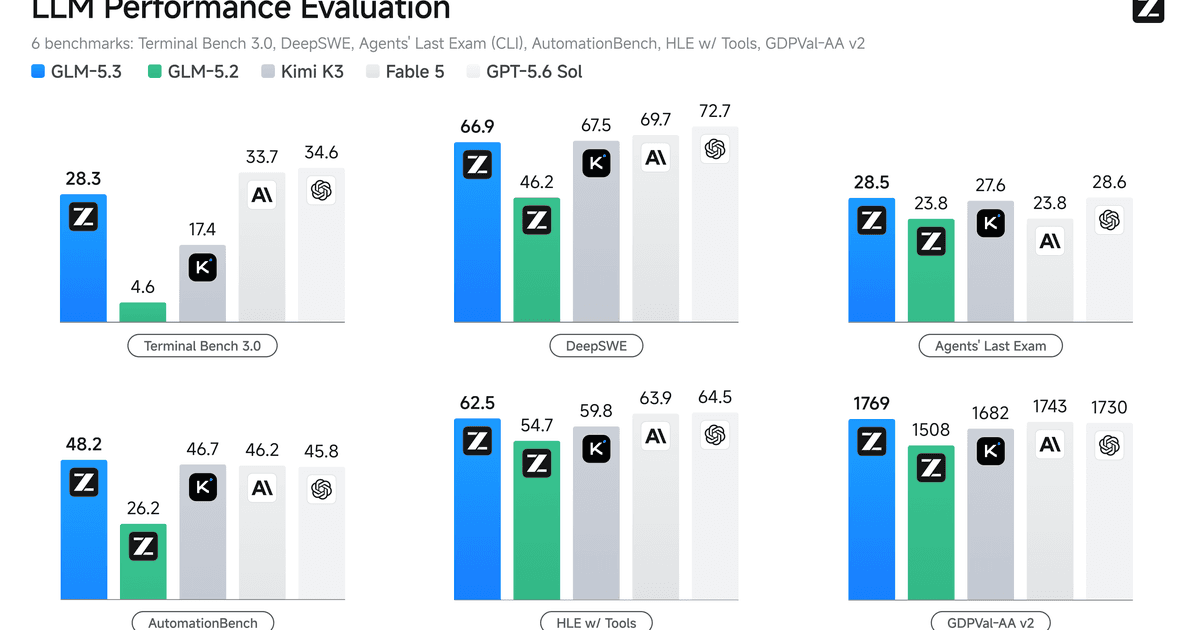
Z.ai just made its AI dramatically better at coding — without building a new model from scratch. Here's why that matters for anyone using AI in their business.
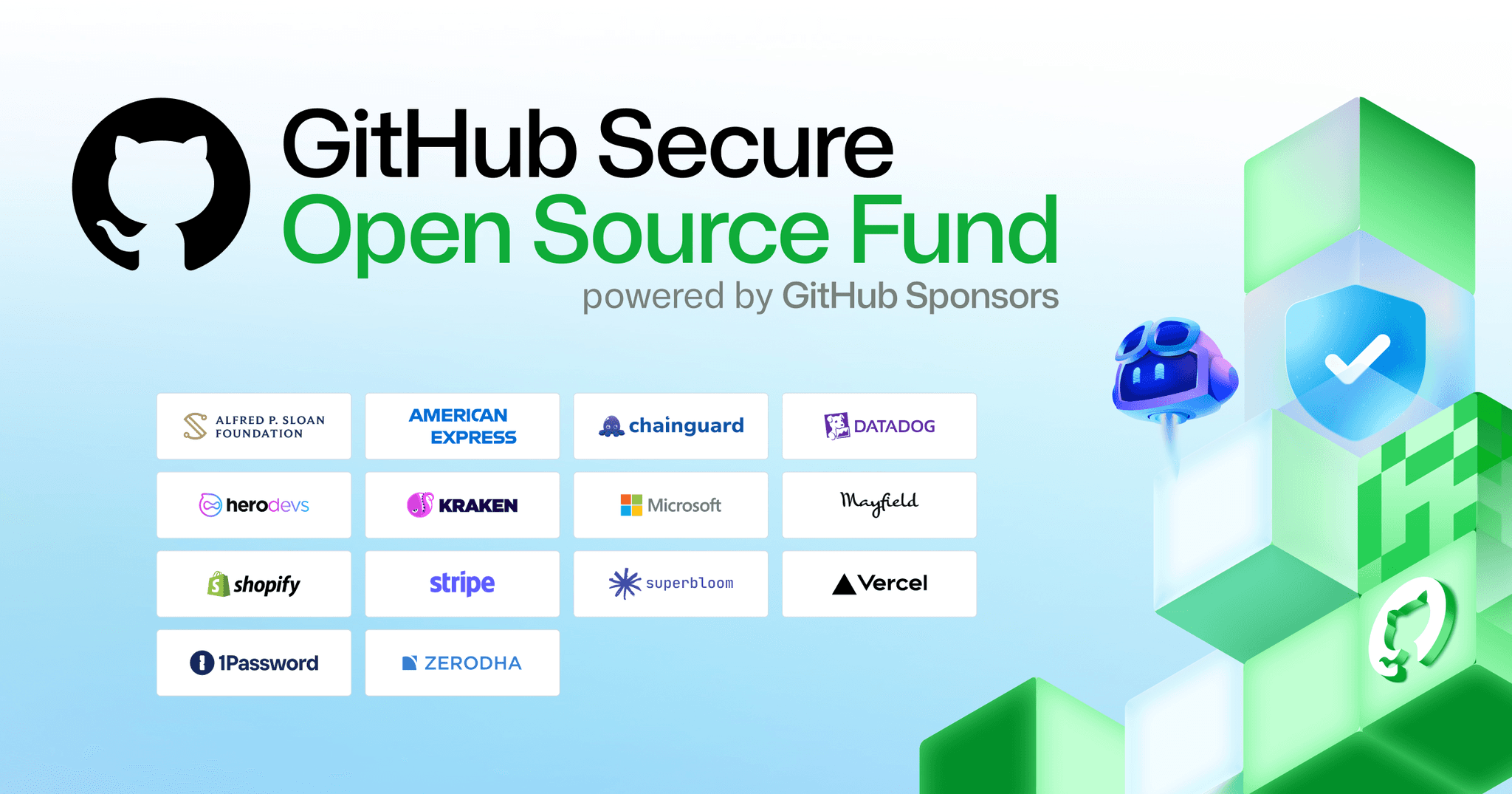
GitHub's Secure Open Source Fund put $500K into 50 critical projects and paired maintainers with security experts and AI-assisted workflows. The headline lesson: AI accelerates investigation and response — but maintainers still decide what ships.
Google's Gemini 3.7 Flash is a solid, efficiency-focused step up for coding and agents at half the old price. Early hands-on says: modest gains, real efficiency wins, and it's too early for a final verdict.
DeepSeek open-sourced its Claude Code rival, DeepSeek Harness, under MIT — and its plugin-everything design already has 288 community plugins in under 24 hours. Combined with DeepSeek's new peak/off-peak API pricing, the agentic-coding race just got a genuinely interesting new entrant.
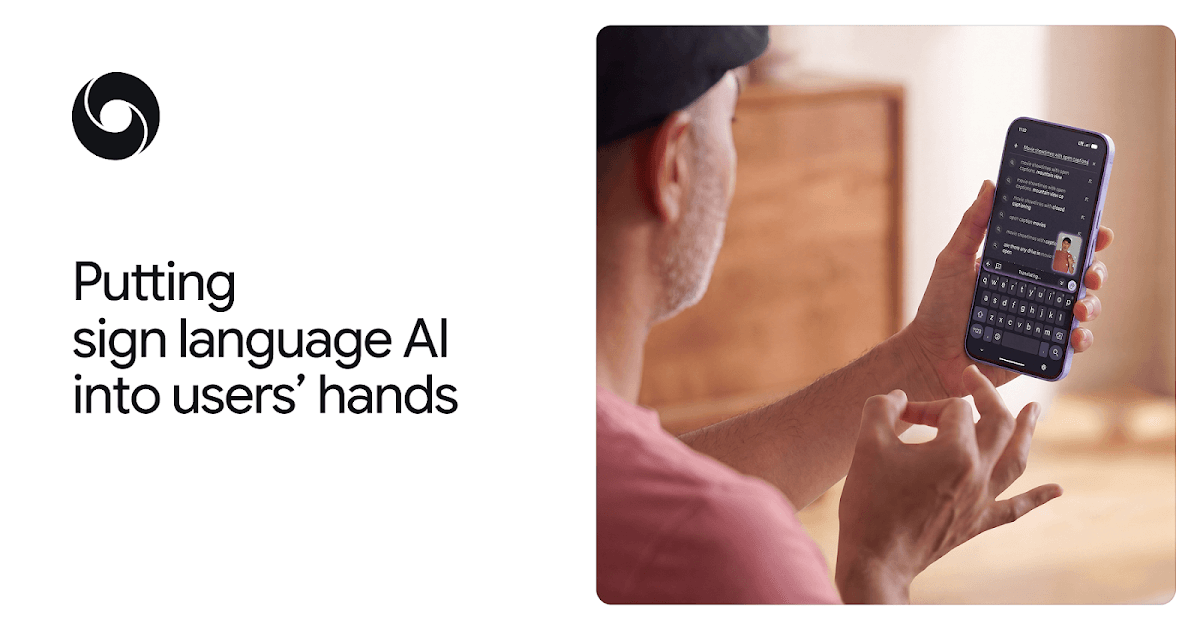
Google DeepMind's new sign-language-to-text model turns continuous signing into text in real time — the first time this class of model has moved out of the lab and into shipping features.
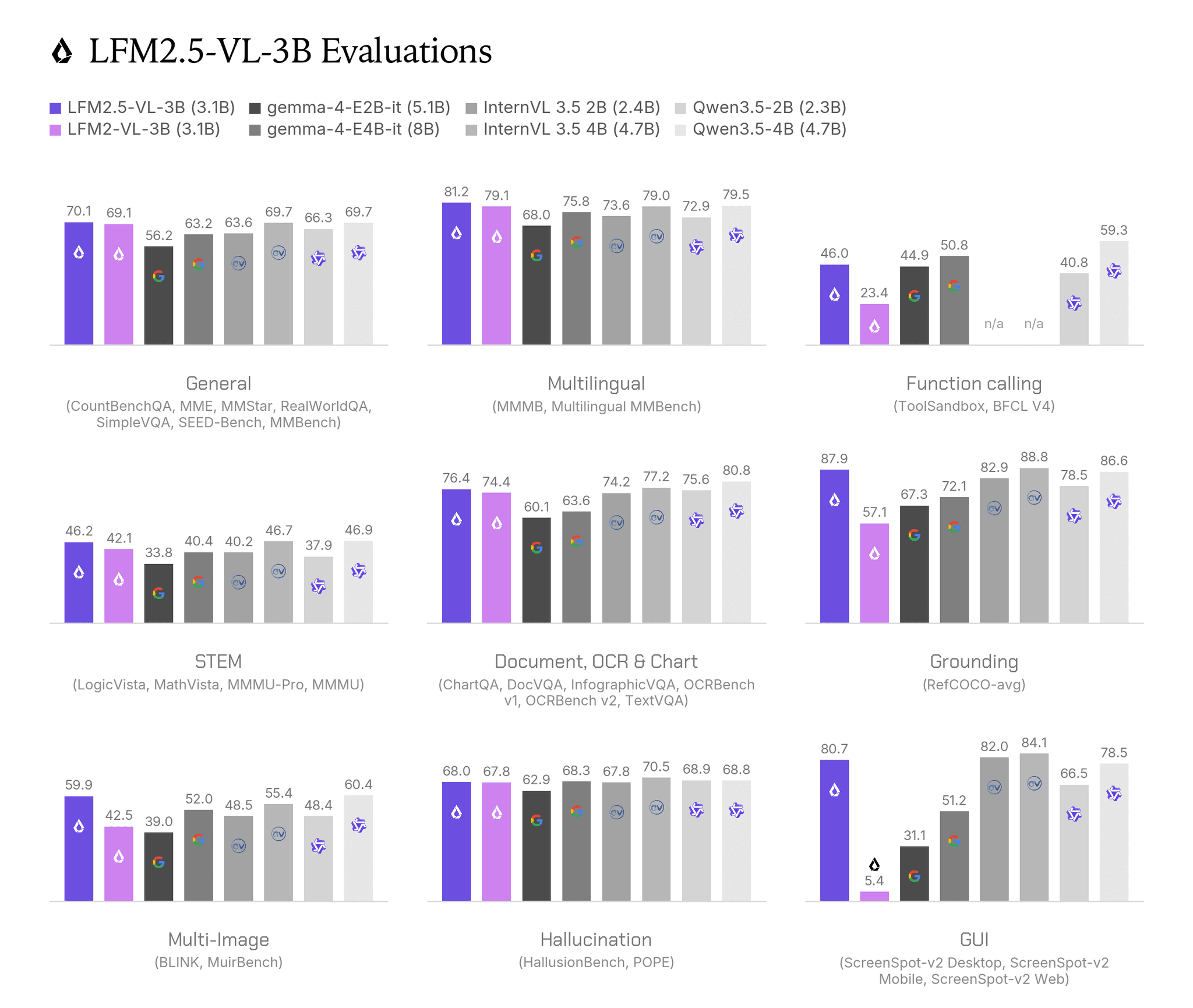
LiquidAI's LFM2.5-VL-3B is a 3.1B vision-language model that beats Google's Gemma-4 E4B — a model more than twice its size — and runs entirely on a regular laptop or even a phone. For simple chatbots and document tasks, local AI just got genuinely usable.
Anthropic now embeds invisible watermarks in Claude-generated text worldwide to comply with the EU AI Act. But the marks survive copy-paste, can flag AI-assisted (not AI-written) work, and — as Theo's hands-on video shows — can be stripped by anyone with the patience to try.
Z.ai just made its AI dramatically better at coding — without building a new model from scratch. Here's why that matters for anyone using AI in their business.
Google's Gemini 3.7 Flash is a solid, efficiency-focused step up for coding and agents at half the old price. Early hands-on says: modest gains, real efficiency wins, and it's too early for a final verdict.
Mole is an open-source terminal research agent that enforces a hard spending ceiling, verifies every claim against a verbatim quote, and keeps your local data local. It's a sharp answer to the two biggest trust problems in AI research workflows: runaway costs and unverifiable citations.
DeepSeek open-sourced its Claude Code rival, DeepSeek Harness, under MIT — and its plugin-everything design already has 288 community plugins in under 24 hours. Combined with DeepSeek's new peak/off-peak API pricing, the agentic-coding race just got a genuinely interesting new entrant.
GitHub's Secure Open Source Fund put $500K into 50 critical projects and paired maintainers with security experts and AI-assisted workflows. The headline lesson: AI accelerates investigation and response — but maintainers still decide what ships.
LiquidAI's LFM2.5-VL-3B is a 3.1B vision-language model that beats Google's Gemma-4 E4B — a model more than twice its size — and runs entirely on a regular laptop or even a phone. For simple chatbots and document tasks, local AI just got genuinely usable.
Anthropic now embeds invisible watermarks in Claude-generated text worldwide to comply with the EU AI Act. But the marks survive copy-paste, can flag AI-assisted (not AI-written) work, and — as Theo's hands-on video shows — can be stripped by anyone with the patience to try.
Google DeepMind's new sign-language-to-text model turns continuous signing into text in real time — the first time this class of model has moved out of the lab and into shipping features.