Model ReleasesZ.ai
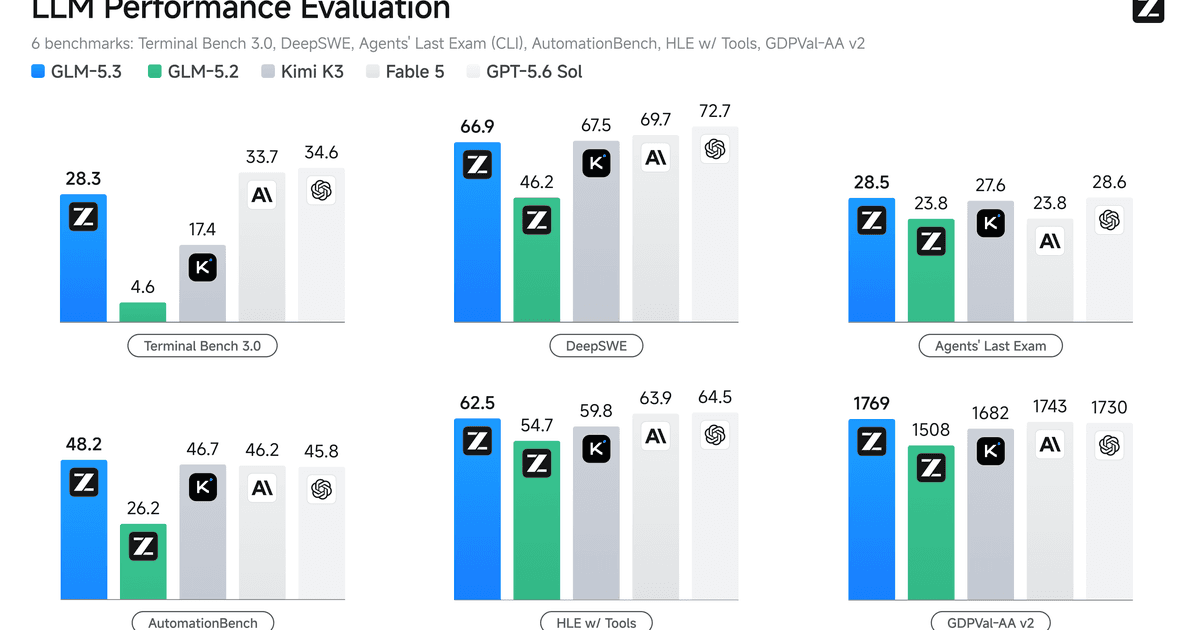
GLM-5.3: The Upgrade That Proves You Don't Always Need a Bigger Model
Z.ai just made its AI dramatically better at coding — without building a new model from scratch. Here's why that matters for anyone using AI in their business.
Model Releases
ModelsEfficiencyThe 30-Second Gist
Google's Gemini 3.7 Flash is a solid, efficiency-focused step up for coding and agents at half the old price. Early hands-on says: modest gains, real efficiency wins, and it's too early for a final verdict.
Three weeks after shipping Gemini 3.6 Flash, Google DeepMind is back with Gemini 3.7 Flash — what they're calling their "most intelligent workhorse model yet for coding and agents." It comes with an introductory price of half the original 3.6 Flash cost: $0.75 per million input tokens, $3.75 per million output, through the end of the year.
On paper, the gains are real. DeepMind points to big jumps in debugging and issue resolution, and higher first-pass code accuracy — including on DeepSWE, the benchmark built from actual software engineering tasks that I consider the most honest measure of coding ability. There, 3.7 Flash scores 65.3% versus 3.6's 49.0% — a genuinely large jump if it holds up in day-to-day work. Web development gets a lift too, with better one-shot UI generation from screenshots and design references, and knowledge-heavy document work (contracts, financial reports, research PDFs) shows substantial accuracy improvements on the benchmarks Google cites.
I've been running 3.7 Flash since it landed, and here's the truthful version: it's not that different from 3.6 Flash. If you were expecting a leap that changes how you work overnight, this isn't that. And it's genuinely too early to judge 3.7 properly — a few days of use tells you about vibes, not about how a model holds up over months of real work.
For coding specifically, I'd still pick DeepSeek V4 Flash. In my workflows it remains the stronger choice for the price, and nothing in 3.7 changes that calculation yet.
That said, one early data point surprised me: I built a Remotion video with 3.7 Flash inside Antigravity, and it did quite okay — and, more importantly, it followed instructions well. That second part is an improvement for Gemini models as a whole. Anyone who's pushed Gemini through a multi-step creative build knows instruction drift has been the recurring frustration, so I'll take that win even from a small sample.
The efficiency story is the part I'm happiest about. 3.7 Flash clearly seems more efficient than 3.6, and I'm glad Google is finally focusing on this — efficiency is value for money, not a footnote. Concretely, I noticed 3.7 Flash consumed noticeably less of my Antigravity usage than 3.6 Flash did on comparable work. When a model does similar-quality work for less quota and less money per token, that changes what's practical to run all day, not just what wins a leaderboard.
If you're on a Gemini Pro or Ultra subscription, this release quietly upgrades things you already use. Google says Gemini Spark, their always-on personal agent, moves to 3.7 Flash starting now, with better tool use across Google Workspace — consolidating files, drafting emails, updating status docs. What we don't know yet is the wider rollout: whether Google Search, Gemini on Android, and Gemini across Workspace more broadly move to 3.7 Flash too. When they do, the day-to-day work I deal with gets a definite upgrade — especially if the DeepSWE number reflects reality.
And one thing I'll defend enthusiastically: Gemini is still the best model I've tried at explaining things to humans. When I need to understand a complicated topic — or communicate one clearly to a client — Gemini remains my pick, and 3.7 Flash keeps that strength.
The Flash line is where most of the world's AI volume actually runs — the apps, the agents, the automations chewing through tokens at scale. Frontier models get the headlines; workhorse models do the work. A capability bump at half the price, with better efficiency on top, is exactly the kind of release that changes what's practical to build.
If you're running AI automations, watch the retry behavior. DeepMind says 3.7 Flash "thinks more diligently" — better multi-step planning, better tool calls, fewer retries. Fewer retries means fewer failed runs you have to babysit, and for anything automated, that's the metric that decides whether it's a demo or infrastructure.
One planning note: the introductory pricing expires December 31, 2026, then doubles to $1.50/$7.50 per million tokens. Build that into any cost projections now rather than discovering it in January.
My working verdict: if you're already paying for Gemini, you just got a better engine for things you use daily — try Spark with the new model this week. If you're choosing a coding model on merit alone, my money's still on DeepSeek. But the gap is now the kind you have to think about, and that's progress.
Original Reporting Attribution
Factual reporting referenced from DeepMind ↗. Technical analysis and practical application implications reflect Hashan's consulting methodology for AI automation.
Z.ai just made its AI dramatically better at coding — without building a new model from scratch. Here's why that matters for anyone using AI in their business.
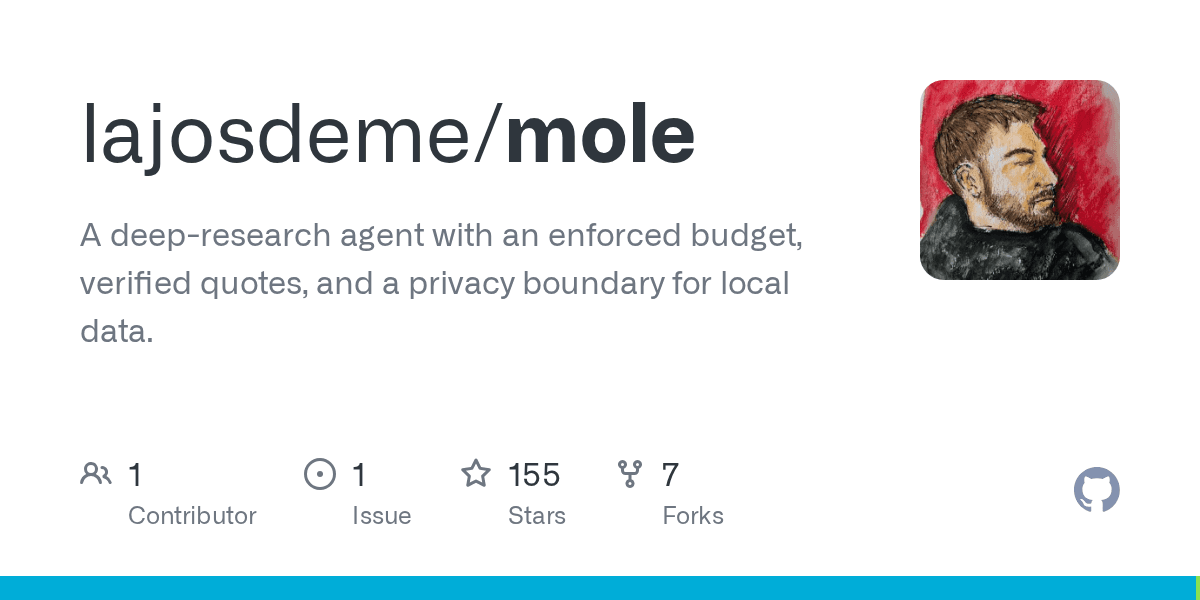
Mole is an open-source terminal research agent that enforces a hard spending ceiling, verifies every claim against a verbatim quote, and keeps your local data local. It's a sharp answer to the two biggest trust problems in AI research workflows: runaway costs and unverifiable citations.