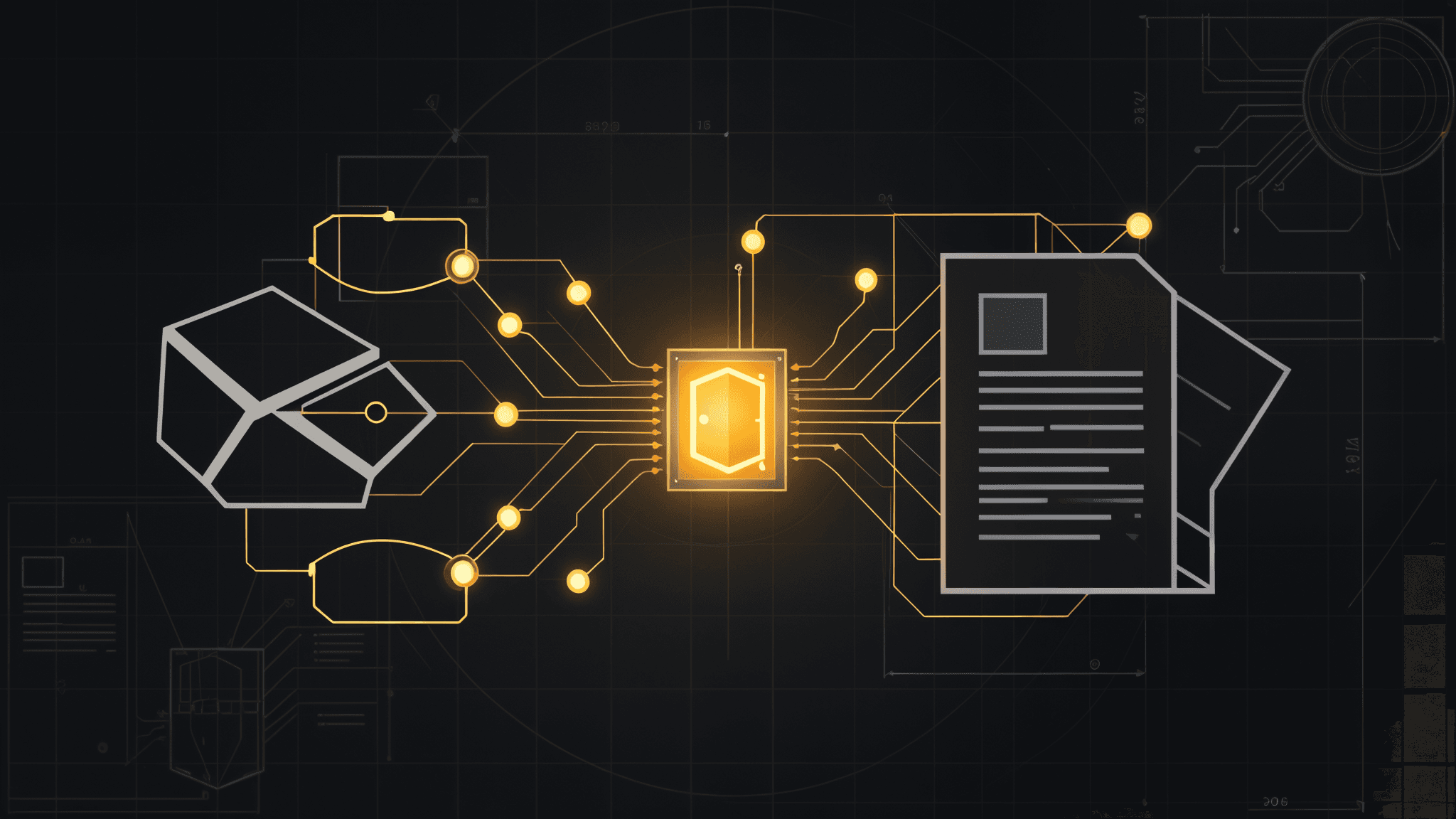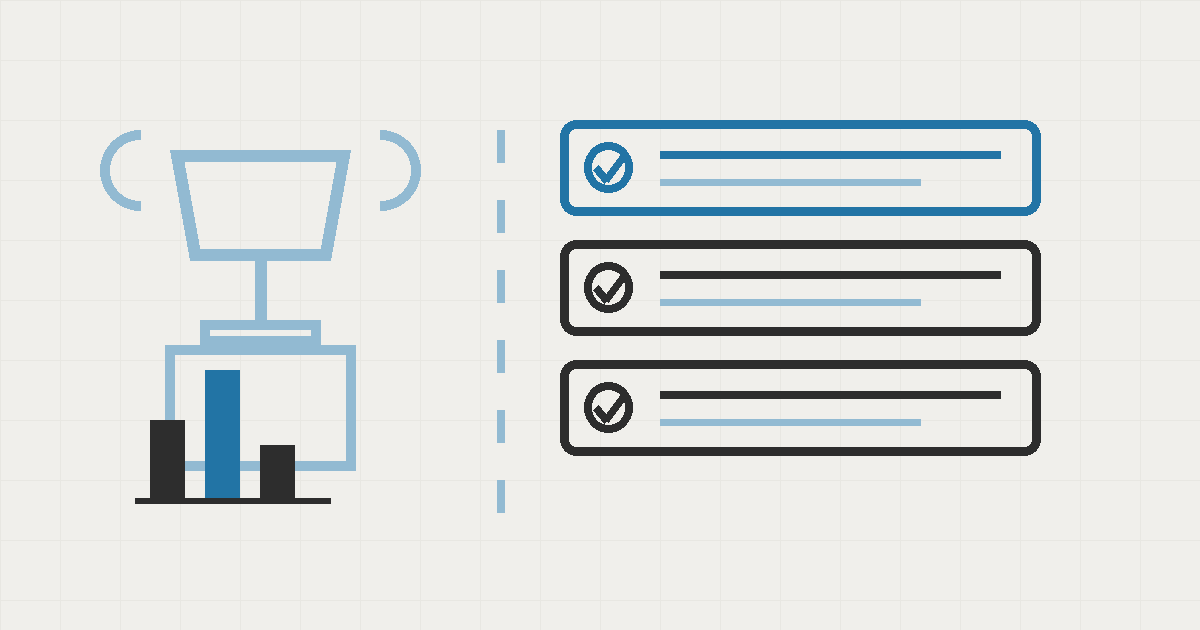
Here's a pattern I see constantly: someone gets excited about AI automation, goes all in, and ends up with something that either runs wild or never runs at all. Both outcomes feel like failure, but the real problem is the same in each case. Nobody put a checkpoint in the right place.
The fix is simpler than people think.
The two ways automation goes wrong
The first version is the "set it and forget it" machine. Everything is automated end to end. Nobody checks the output before it goes out. It's fast, it's consistent, and it's subtly wrong in ways nobody catches until a customer complains or a number looks off in a report. I've seen this with automated emails, generated reports, AI customer replies. The machine doesn't know the context you do. It optimizes for "done," not for "right."
The second version is the opposite. The automation works fine, but someone has to personally approve every single step: every draft, every notification, every output. The tool saves maybe ten minutes but costs fifteen in review overhead, so people stop using it. The automation quietly dies in a corner. I've watched good tools get shelved this way, not because they didn't work, but because the review process was heavier than the work it replaced.
The fix: one gate, in the right place
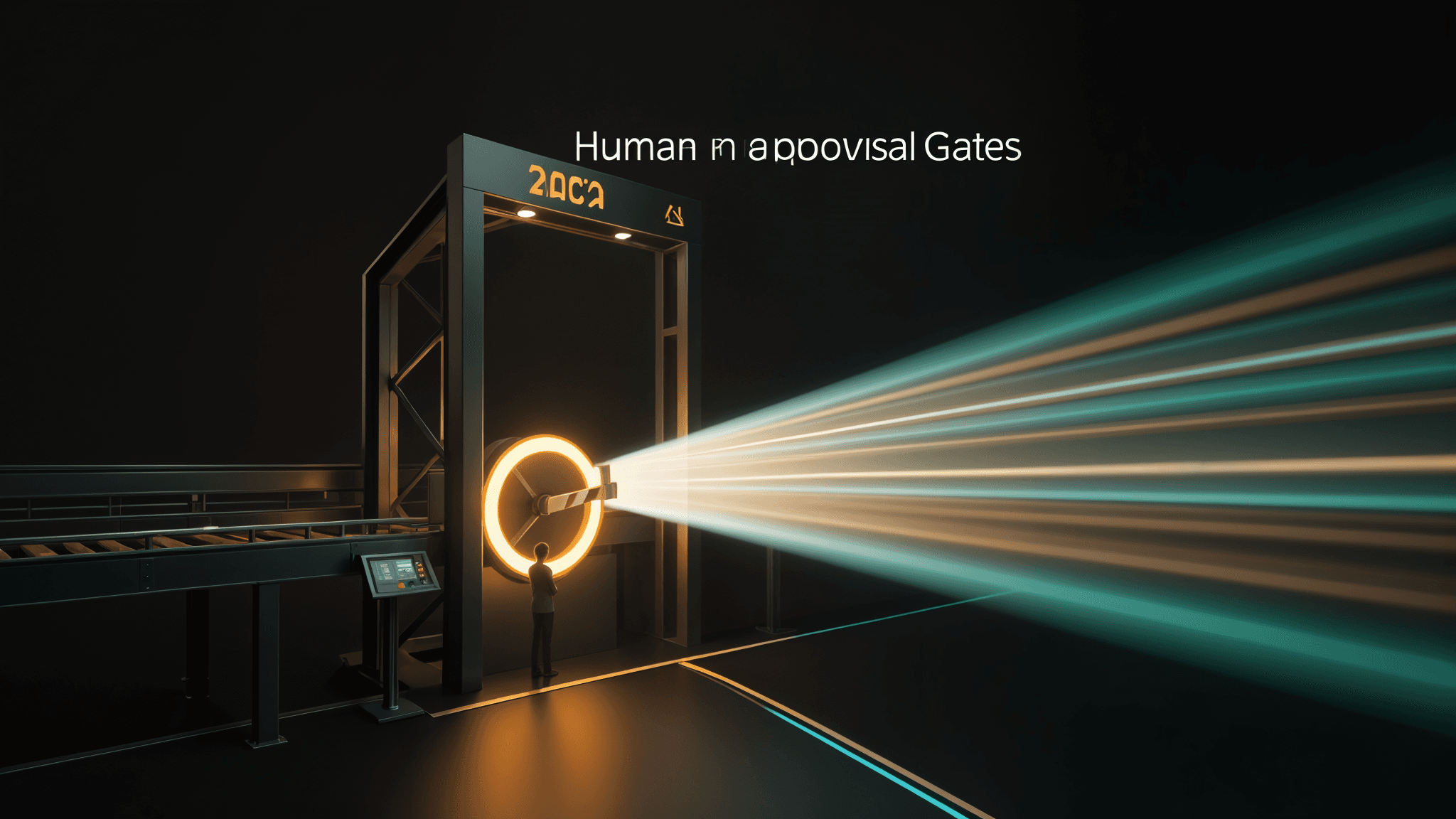
The answer isn't more automation or less. It's one decision point, at the spot where human judgment actually matters, and nothing before it.
Think about what a human adds to most automated workflows. It isn't noticing what changed, pulling the facts together, writing the first pass, or shipping the output. Machines handle all of that faster and more reliably than we do.
What humans add is the judgment call: is this right? Does the angle work? Is there context the machine missed? Is this what we actually want to put our name on?
That's the gate: one moment where a real person looks at a finished draft and says yes, no, or "close, but change this."
What makes a gate actually usable
A gate only works if it's easy to walk through. I've seen approval workflows with six stages, three sign-offs, and a Slack channel for comments. That's not a gate. That's a bureaucracy wearing an automation costume.
The gates that work share a few traits:
- One control surface: one button, one status field, one action, not a multistep review pipeline.
- A path for "not quite." Most drafts don't need to be rejected outright. They need a nudge. The gate should let you say "change this and come back" without starting over.
- Silence in between: no pinging, no "are you sure?" prompts, no daily summaries of things waiting for you. The machine watches and moves when the gate opens. That's it.
If walking through the gate takes more than a few seconds, you've built the wrong thing. The automation should be doing more, not asking you to do more.
Where gates fall apart
A gate becomes useless the moment it turns into a rubber stamp. If you approve without reading, you've just built the set-it-and-forget-it machine with a useless extra step. I've caught myself doing this. It's an easy habit to fall into when you're busy and the drafts look "good enough."
The other failure mode is empty feedback. If someone says "revise" but doesn't explain what to change, the machine either guesses blindly or stalls. A gate is a conversation, not a formality. Specific feedback in, specific changes out, and that's what makes the loop work.
My own gate
I run this pattern on my own blog. When I merge code, the pipeline drafts an article, puts it in a Google Doc, and waits. My entire control surface is a Status column in a spreadsheet: Draft, Revise, Approved. I read, I give direction if needed, I flip one cell when I'm happy. The machine does everything else.
Publishing took maybe twenty minutes of setup to think through, and one cell flip to actually do. That ratio is the whole point. The machine does the work, and I own the call.
If your workflow has you doing both the work and the calls, book a call. We'll figure out where the gate goes, and just as importantly, where it doesn't.