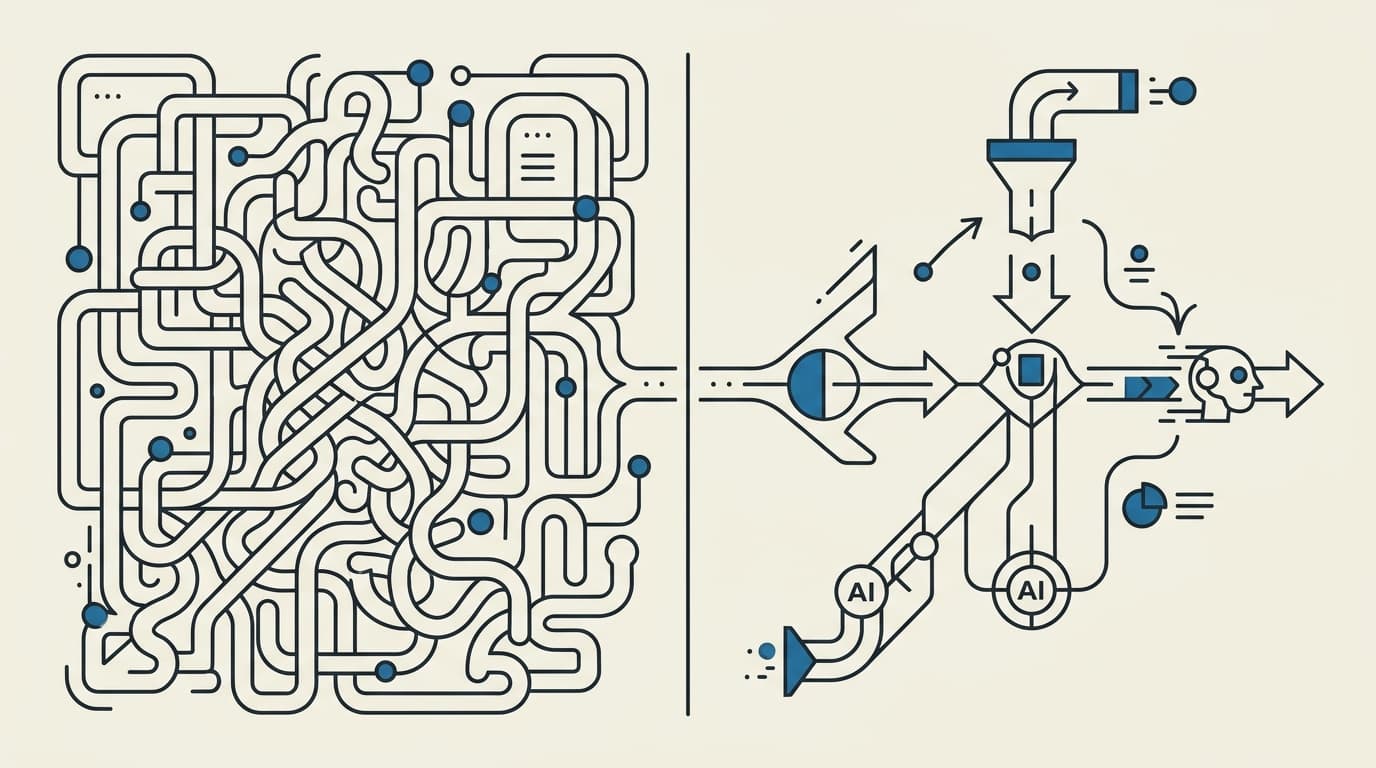
Every money app I have ever used made me do the accounting myself. The app shows pretty charts, but first I have to feed it. Pick the right category. Guess whether the coffee shop purchase was "food out" or "groceries". Find the exchange rate for that purchase I made abroad, then type it in by hand. The record-keeping chore is the product, and the chore is why I quit using every one of them within a month.
So I asked a different question. What if I could just say what happened?
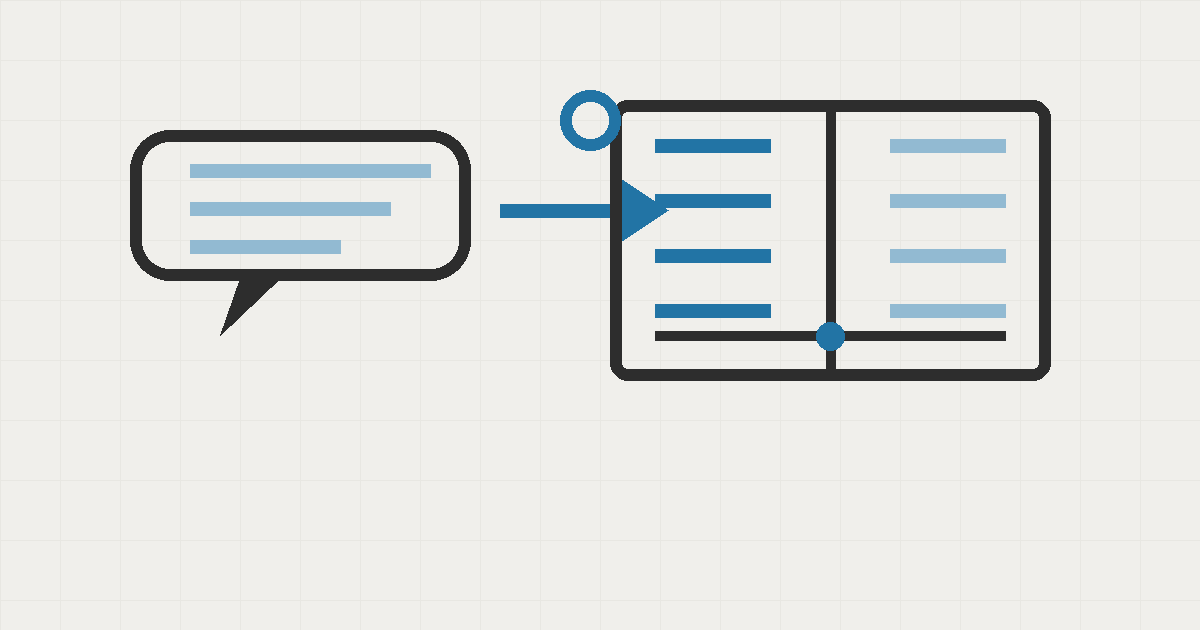
"Spent 4,500 on groceries yesterday." That sentence is the input. A real accountant's ledger is the output.
That is Moneta, the product I am building. Moneta is an AI accountant for your household: you talk to Moneta the way you would talk to a person who keeps your books, and the books get kept. But the part I want to explain in this article is not the talking. It is what sits underneath.
Moneta listens, the books keep the truth
Moneta is genuinely good at the job. Moneta understands "spent 4,500 on groceries yesterday", works out that this is money leaving your cash account and landing in the groceries budget, and books it. If you paid in a second currency, Moneta resolves the exchange rate and tells you where the rate came from.
But here is the design decision the whole product hangs on: Moneta is never the record. Underneath the conversation sits a proper double-entry ledger, the same system of balanced books that banks and companies have used for five hundred years. Every movement touches two accounts, every amount balances, and every entry is permanent.
This matters because understanding plain speech is not the same as remembering it perfectly. Ask the same question twice and you might get a slightly different answer. Money leaves no room for that. If the accountant's memory were the source of truth for your finances, your finances would drift with every conversation.
Inside Moneta, the conversation proposes and the ledger has the final say. A misheard sentence might cost you a moment of annoyance. It can never corrupt your books.
Why two people
Moneta is built for exactly two members, because a household is exactly two people. That constraint sounds small and it changes everything. There is no permissions maze for fifty employees. There is one shared view of the household's money, one personal view for each partner, and a privacy switch between them that the database itself enforces, not just the screen. I will go deeper on that in the third article of this series.
Working within a hard constraint also keeps the product honest. When your entire user base is two people who live together, every feature has to justify itself against one test: does this make two people more likely to actually keep their books? Anything that fails that test stays out, no matter how impressive it looks in a demo.
From my household's tool to a real product
Moneta did not start as a product. It started as my own household's answer to the problem at the top of this article: I wanted the books kept without doing the bookkeeping, so I built the thing for the two of us. Somewhere along the way it stopped being a personal tool and gradually became a full product, built to the standard anything holding real money records deserves.
That standard shows up in concrete ways. When you approve something, the approval is recorded before anything runs, so what was approved is what happened. When you correct a mistake, the correction is added as a new entry instead of quietly editing history. Every event lands in an audit trail that even Moneta itself cannot rewrite.
Households will soon be able to start using Moneta and trying it out for real. Everything in this series is about a product you will actually touch, not a demo.
What comes next
This article is the vision. The next one shows what Moneta can actually do today, because the vision only counts if the thing works. The third covers the security and privacy design, which is where I spent most of the engineering effort, because money data does not forgive shortcuts.
If you want to follow along while Moneta gets ready for households, or you have a workflow where nobody trusted a conversation to touch the real record, Book a call and let's talk.